Comprehensive insurance vs. collision insurance
Comprehensive insurance vs. collision coverage
Comprehensive and collision coverage are two types of optional auto insurance that can help pay to repair or replace your vehicle if it’s damaged. However, they cover different types of damage.
Collision coverage protects your vehicle from damage that occurs in a collision with another vehicle or object. This includes helping to pay for the cost of repairing or replacing your vehicle. Collision coverage can also help cover the cost of damage to your vehicle if you roll over.
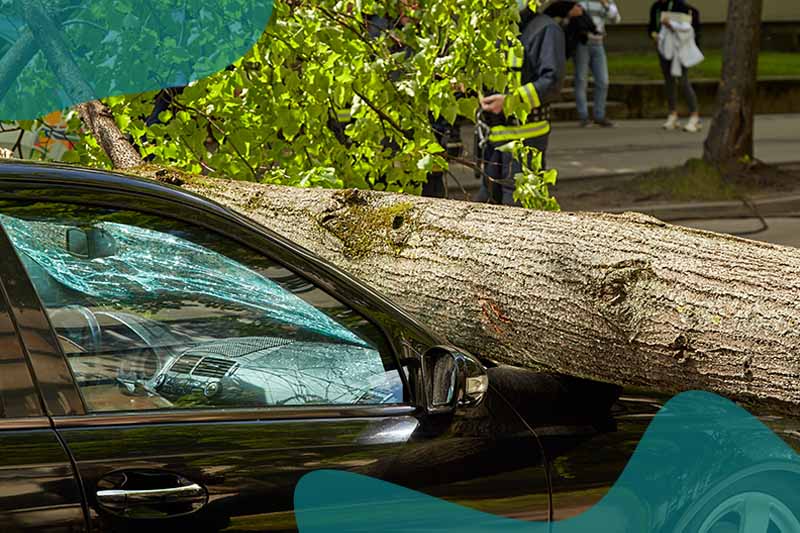
Comprehensive coverage helps pay to repair or replace your vehicle if it’s stolen or damaged in an event that isn’t the result of a collision. It’s sometimes called “other than collision” coverage. Comprehensive typically covers damage from vandalism, fire, or hail to name a few. If you’re financing or leasing your car, your lender will most likely require comprehensive insurance.
What is comprehensive insurance?
Comprehensive insurance is a coverage that helps pay to replace or repair damage to your vehicle that was not caused by a collision. It is sometimes referred to as “other than collision” coverage.
What does comprehensive insurance cover?
Comprehensive coverage, sometimes referred to as “other than collision,” usually helps pay for damage such as:
- Theft
- Vandalism
- Fire
- Natural disasters (like storms or earthquakes)
- Falling objects
- Damage done to your car by an animal
- Glass-only claims*
For comprehensive claims, your deductible will apply. The comprehensive deductible options range from “no deductible” to $1,000 (Illinois also has a $2,500 option). This means you pay this amount toward repairs or replacement before your insurance begins to cover costs.
*Elephant offers a free windshield chip repair where your deductible wouldn’t be applied.
What’s not covered by comprehensive insurance?
Comprehensive insurance covers a wide range of events that can damage your vehicle but there are some things that are not covered by comprehensive insurance. Some of these include:
- Collisions with other vehicles or objects. This is covered by collision insurance, not comprehensive insurance.
- Damage caused by your own negligence. For example, if you hit a pothole and damage your car, comprehensive insurance doesn’t cover the repairs.
- Normal wear and tear. This includes things like oil changes, tire rotations, and brake repairs.
- Mechanical failures. If your car breaks down due to a mechanical problem, comprehensive insurance doesn’t cover the repairs.
- Damage caused by war or nuclear accidents. These are typically excluded from comprehensive insurance policies.
What is collision insurance?
Collision insurance helps cover damage to your vehicle resulting from a collision with another vehicle or an object, regardless of who is at fault.
What does collision insurance cover?
Collision coverage usually helps pay for repairs or replacement if your vehicle is damaged in an accident, whether it’s a collision with another car, a tree, a building, or any other object. Your deductible will apply. The collision deductible options range from $50 to $2500.
What’s the difference between comprehensive and collision coverage?
Comprehensive and collision are two types of optional auto insurance you can include on your auto insurance. Both can help pay to repair or to replace your vehicle if it’s damaged. However, they cover different types of damage.
Collision coverage protects your vehicle from damage that occurs in a collision with another vehicle or object. This includes helping to pay for the cost of repairing or replacing your vehicle. Collision coverage can also help cover the cost of damage to your vehicle if you roll over.
Comprehensive coverage protects your vehicle from damage that occurs from events that are not the result of a collision.
Car insuranceDoes insurance cover severe weather?
| Feature | Comprehensive insurance | Collision insurance |
|---|---|---|
| Coverage | Covers damage to your car from non-collision incidents such as:
|
Covers damage to your car from:
|
| What’s covered | Unexpected damage like theft, vandalism, natural disasters, fire, etc. | Accidents involving other vehicles or objects |
| What’s not covered | Collision with another vehicle or object | Theft, vandalism, natural disasters, fire, etc. |
| Deductible | Yes. From $0 to $1,000 in most states | Yes. From $50 to $2,500 |
| Is it required? | Not required by any state but may be required by a vehicle lender. | Not required by any state but may be required by a vehicle lender. |
When should I add comprehensive (other than collision) and collision?
Generally, if you have a car loan or you’re leasing a vehicle, comprehensive and collision coverage may be required by the lender, but they are otherwise optional. Most states only require liability coverage, even for financed vehicles. It is best to check with your state’s department of motor vehicles to learn what is required in your state.
While no state requires comprehensive and collision coverage, you may want to consider the following when choosing this coverage:
-
The value of your car
If your car is a newer model, paying for repairs or replacements can get expensive.
-
Your environment
Are you at higher risk of vehicle damage (floods, wildfires, vandalism, etc.) than other areas?
-
Your financial situation
Would you be able to cover the cost of an accident or incident out-of-pocket?
-
Your risk of accident
How often do you drive your car? How long is your commute? The more you drive, the higher your risk of an accident.
Frequently asked questions about comprehensive insurance
The following frequently asked questions provide information about comprehensive car insurance and what comprehensive and collision coverage covers.
Get comprehensive & collision insurance coverage and join the Herd today!
Elephant provides car insurance, discounts, and various coverage options to support you when you need it. Contact our team to learn how we can help you or use our Coverage Wizard to get personalized suggestions.
Full coverage vs. liability only
How to get car insurance before buying a car
How to make a claim against someone else’s insurance
Get a quote with Elephant
Quote with us
Be on your way to a better plan in just a few minutes.
Already a customer?
Login to your account and review your coverages.